How to Have a Great Catch at River Estuaries: Fishing Methods and Techniques
How to fish river estuaries: read the water, match the rig to the depth, and pick the right time and spot. Three rigs for common river estuary situations.
There are plenty of good fishing spots along the coast. As long as the water has plenty of dissolved oxygen, there is an abundant supply of food, and the fish feel relatively safe, you have the makings of a productive fishing spot.
River estuaries often provide all three of these conditions.
First, the dissolved oxygen level is usually higher than in surrounding waters. When the tide is coming in, especially during a strong flood tide, oxygen levels can increase even further. The fish become more active, gather in schools, and feed more aggressively.
Second, a river estuary is where fresh water meets salt water. Rivers continuously carry plants, animals, and organic debris downstream. This creates a nutrient-rich environment where large numbers of microorganisms can thrive. These microorganisms support populations of small fish, shrimp, and crabs, effectively turning the river estuary into a natural feeding ground for larger fish.
There is another important factor. To protect farmland from flooding and prevent tidal water from damaging riverbanks, large rocks are often placed along river estuaries to reinforce the banks and seawalls. These rocks create countless gaps, cracks, and passages that provide fish with shelter and safe holding areas.
Floating debris carried downstream, along with naturally growing bushes and reeds along the shoreline, also provides cover for fish. Because river estuaries are often noisy and exposed to waves and wind, fish may feel less threatened there and are more willing to move close to shore to feed.
Another notable feature is the seasonal movement of larger fish. Every spring, large offshore and migratory fish often gather around river estuaries to spawn and reproduce. The young fish then feed heavily through spring and summer. By late autumn and early winter, they have grown considerably and are often present in large numbers. Their feeding drive becomes particularly strong as they prepare for winter migration or a return to deeper offshore waters.
Taking all these factors into account, river estuaries are among the best places to target fish along the coast during autumn and winter.
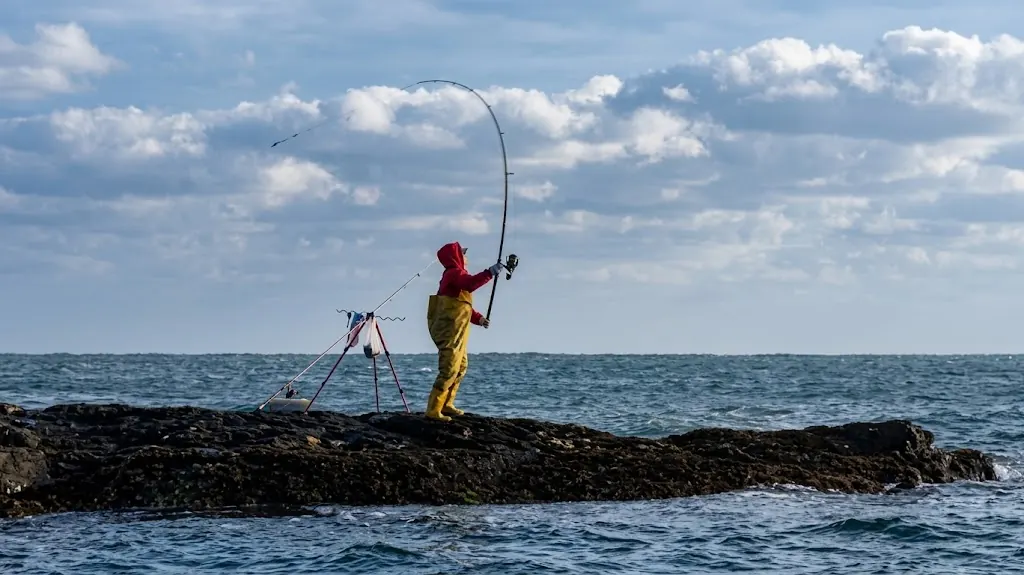
Fishing Techniques for Different Water Depths
At a river estuary, the fishing method should be adjusted according to water depth. The following three approaches cover the most common situations.
1. Water Less Than 3 Meters Deep: Use a Multi-Hook Bottom Rig
This method is mainly intended for bottom-dwelling species such as black sea bream, gobies, pomfret, flatfish, and mullet.
A typical rig consists of three hooks on a single rig. Relatively small hooks are recommended, with size 5 long-shank saltwater hooks being a good all-around choice. This setup allows you to target several different species.
A wide variety of bait can work, including fish pieces, shellfish, shrimp, crabs, and even pieces of poultry.
However, two baits are particularly effective:
- Fresh shrimp
- Live marine worms, including lugworms, tube worms, and ragworms
When using a multi-hook rig for bottom fishing in shallow water, shrimp — especially small prawns — are a particularly good choice.
2. Water 3–5 Meters Deep: Bottom-Weighted, Suspended-Bait Rig
This technique can target both bottom fish and fish holding in the mid-to-upper part of the water column, including sea bass and mullet.
Start by tying a size-8 swivel to the end of the main line. Attach a 30–60 g sinker above it, followed by a leader approximately 60 cm long. Tie a large long-shank saltwater hook — size 10 or larger — to the end of the leader.
Thread one whole marine worm onto the hook. Leave approximately 1–2 cm of the worm protruding from each end so that it can continue wriggling naturally.
As wind and waves move the water, the long leader rises and falls and moves naturally in the current. This action can be highly effective at attracting feeding fish.
If the bite is slow and the bottom is relatively snag-free, you can add a second, shorter leader of around 30 cm. This can increase the chance of hooking a fish, and potentially even two fish at once.
However, adding another hook also increases the risk of the leaders becoming tangled. Cast carefully and keep an eye on the rig, straightening and organizing the leaders whenever necessary.
3. Water Deeper Than 5 Meters: Use a Float Rig
If your main target is fish holding in the middle or upper layers of the water column, a float rig can be a better option.
First, thread two stopper beads onto the main line. Then add a matching Abo float, followed by another two stopper beads. The stopper beads allow you to adjust the fishing depth, establish the desired depth range or fish zone, and keep the float positioned correctly.
Attach the appropriate split-shot weights to the lower section of the main line, then tie on a relatively large size-8 swivel at the bottom. Attach a leader of at least 60 cm to the swivel.
Use a fairly large hook, around size 15, depending on the size of the fish you are targeting. A relatively long hook shank — around 2 cm — is preferred because it helps protect the leader from being cut or abraded by the fish's teeth, reducing the chance of losing a hooked fish.
The hook point must be extremely sharp. If it becomes dull, replace the hook immediately.
Fresh shrimp and live marine worms such as lugworms, tube worms, and ragworms can all be used as bait. The bait should be appropriately sized for the large hook. When in doubt, use a larger bait rather than a smaller one, as a substantial bait can be more attractive to larger fish.
If the worm is too long to fit directly onto the hook, thread it around the long hook shank instead.
The Key to Float Fishing: Finding the Right Depth
The most important skill when using this method is finding the depth at which the fish are holding.
When you arrive at the water and other anglers are already fishing, take some time to observe them. If one angler is consistently catching fish, use the depth of his rig as your starting point for setting your own fishing depth. You can then fine-tune it according to the conditions.
If you are the first angler to arrive, you will need to locate the productive depth yourself. A good starting point is around 3 meters, then work your way deeper or shallower until you find the fish.
One of the biggest drawbacks of this method is that the fishing position is not fixed. Wind and waves gradually push the float toward shore, so you need to remain alert and regularly retrieve and recast the rig.
Pay particular attention to the movement of the Abo float.
Because this setup uses a large hook and a relatively large bait, it takes the fish some time to get the bait properly into its mouth. Do not strike immediately when the float starts moving.
Stay patient.
Wait until the Abo float has disappeared completely beneath the surface. Ideally, allow it to remain submerged for around two seconds before making a firm strike. This gives you a much better chance of properly hooking the fish.
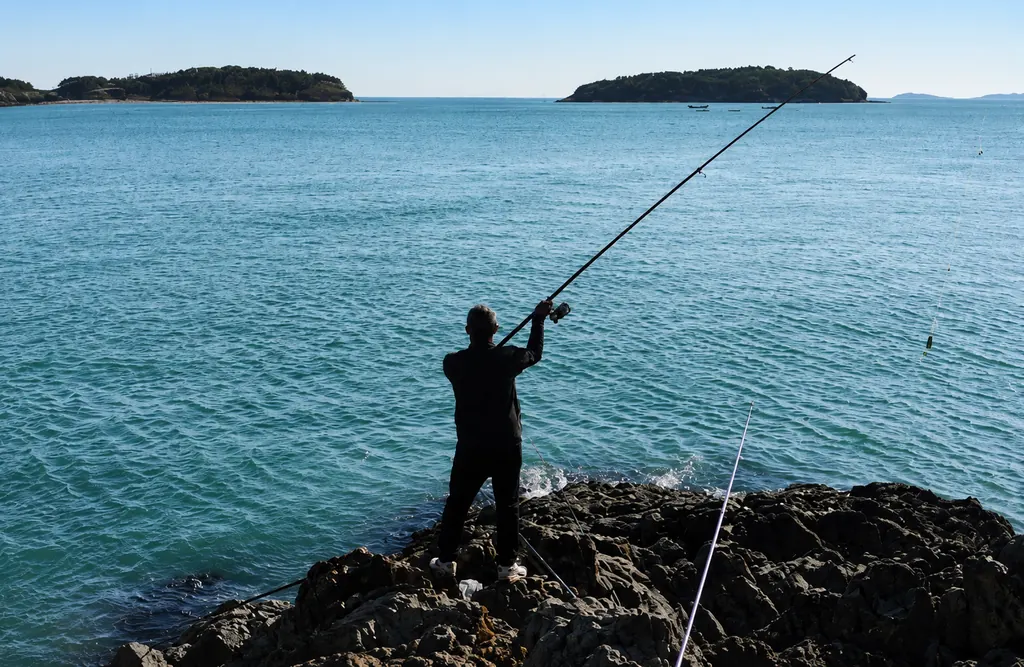
Playing the Fish: Stay Flexible but Keep the Pressure On
The key to fighting fish around a rocky river estuary is to use controlled pressure rather than brute force.
Do not try to drag the fish in by force, as this can easily break the line and result in a lost fish.
At the same time, you must keep the line under tension and prevent the fish from reaching rocks, debris, or other underwater structure.
Once a hooked fish gets into the rocks, your chances of landing it can drop dramatically.
Choosing the Right Time and Fishing Spot
The techniques above are based on practical experience fishing river estuaries with different types of terrain, water depths, and target species.
However, no fishing method works under every condition. Even a productive river estuary can be strongly affected by weather, local geography, tides, wind, and water conditions.
Choosing the right time and location is therefore just as important as choosing the right rig.
Some useful factors to look for include:
- Early morning and late afternoon/evening, when fish are naturally more inclined to feed.
- The sheltered tail of a strong headwind, particularly when the local wind is from the north, northeast, or northwest.
- Areas with structure or obstructions around the river estuary.
- Transitions between deep and shallow water.
- Areas where rocky bottom meets flatter bottom.
- Freshwater–saltwater mixing zones.
- The water immediately below areas where waves are breaking or creating foam.
- Established fishing spots that have consistently produced fish in the past.
Most importantly, don't be afraid to make adjustments while you are fishing.
Conditions at a river estuary can change quickly. Fish may move with the tide, wind, current, food, or water depth. Successful anglers pay attention to those changes and adjust their rig, fishing depth, casting position, bait, and location accordingly.
That is ultimately how you turn a river estuary into a productive fishing spot — and, just as importantly, how you make the day on the water more enjoyable.
About the Author
FishingLineStrength supply team — 15+ years in fishing hook manufacturing.
Sources / Further Reading
- •Practical sea angling references — rig construction and hook size selection for coastal water.
- •FishingLineStrength product pages — long-shank saltwater hooks, salt-spray rated coatings.