How to Prevent Fishing Hook Rust: Coating & Storage for OEM Buyers
Rust complaints start on the water and end on your desk. Surface rust after one salt trip, corroded points after damp storage, hooks eaten away by salted soft plastics. Buyers can prevent most of it at specification time instead of warranty time.
Search any fishing forum and you will find the same thread. A hook came back from a saltwater session with surface rust. Another sat in a damp tackle box for a week and turned brown. A third corroded inside a pack of salted soft plastic baits.
For OEM buyers these complaints are not angler noise. They become return rates, brand damage, and reorders that never come. Most hook corrosion is preventable at the specification stage, through material, coating, and packaging decisions. This guide covers the causes and the fixes.
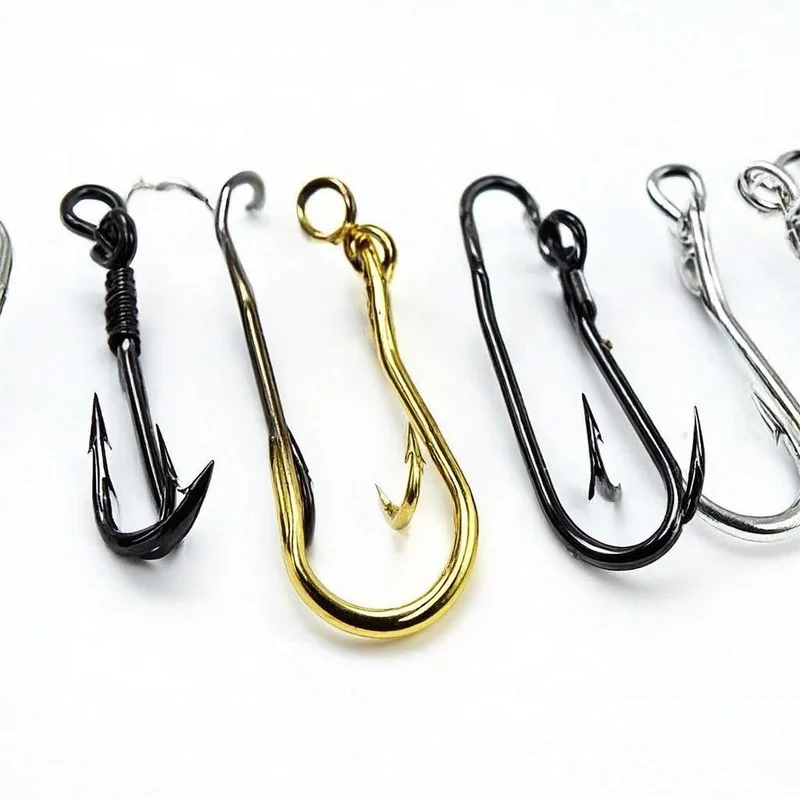
Why Hooks Rust
Rust is iron oxide. It forms when moisture and oxygen reach bare steel. A fishing hook meets saltwater, sweat, and humid air on a regular basis, so the conditions are almost always present. The question is how fast the metal gives in.
Salt accelerates the process dramatically. Chloride ions attack the protective oxide layer on steel and keep attacking once rust starts. That is why a hook can survive months in a drawer but show rust after a single saltwater trip.
Material Choice Sets the Ceiling
No coating can save a hook whose base material corrodes quickly. Material selection is the first and largest rust prevention decision. Three material families dominate the market, each with a different cost and corrosion profile.
Carbon Steel
Carbon steel is cheap, strong, and sharpens easily. It is also the most rust-prone hook material in production. Every carbon steel hook relies entirely on its coating, because bare carbon steel will rust within hours when wet.
Most budget hook lines are carbon steel under a black or gold finish. That combination works while the finish stays intact and the hooks stay dry. The moment the coating chips or the box gets damp, corrosion begins. Wire grade matters; see our high carbon vs vanadium steel comparison.
Stainless Steel
Stainless steel resists corrosion because chromium forms a self-repairing oxide film on the surface. The alloy choice still matters. Molybdenum-bearing grades resist chloride attack far better than basic 18/8 stainless.
The benchmark for single-hook stainless is the molybdenum-bearing stainless steel, a premium option for saltwater hooks. For OEM buyers the practical question is which grade to specify, because 304 and 316 behave very differently in saltwater. That difference is covered in our 304 vs 316 stainless steel hook guide.
Titanium
Titanium is the most corrosion-resistant hook material in common use. It ignores saltwater that would pit most stainless grades. The trade-off is cost: titanium wire costs multiples of steel, and forming it requires specialized tooling.
Titanium makes sense for premium saltwater lines, fly hooks, or products where a failed hook means a lost trophy fish. For volume retail it is rarely economical. Most OEM programs reserve titanium for flagship SKUs.

Coatings: The First Line of Defense
On carbon steel, the coating is everything. On stainless, it adds margin and controls appearance. The coating spec you write should state the type, the thickness range, and the test it must pass. Compare the two most common options in our black nickel vs 24K gold coating guide.
Black Nickel
Black nickel is the workhorse finish for saltwater hooks. It is applied electrolytically, dulls reflections, and provides consistent corrosion protection at a reasonable cost. It is the default choice in many OEM programs.
24K Gold
24K gold is applied as a thin electrolytic layer. It protects well and gives products a premium shelf look. Gold finishes are popular for jig hooks and presentation lines where appearance drives the sale.
Tin-Cadmium (Discontinued)
Tin-cadmium was once common because it protected steel well. It is now banned or restricted in most markets because cadmium is toxic. It falls under the EU REACH restrictions on cadmium in consumer articles, and responsible suppliers no longer offer it.
If a quote offers "gold" hooks, ask whether it is 24K gold or a legacy cadmium finish. The difference matters for compliance, health, and market access.
Point Sharpening Matters Too
How a point is sharpened affects both sharpness and rust resistance. Mechanically ground points leave a rough edge that corrodes first and dulls quickly. Chemically sharpened points are etched in an acid bath, leaving a smoother edge that stays sharp longer.
Chemical sharpening also removes surface stress from the wire, so the point keeps its geometry longer in use. For saltwater products, specify chemically sharpened points and confirm the method in the spec sheet. Point geometry options are explained in our cutting point vs flat point vs SR point guide.
Storage: Where Rust Is Born
Most hook rust starts in storage, not in the water. A hook returned from a trip carries salt residue. If it is packed wet or stored in a humid box, that residue pulls moisture from the air and starts the corrosion cycle.
Anglers have developed simple fixes that work. Silica gel sachets absorb moisture inside tackle boxes. A piece of blackboard chalk does the same job and doubles as a humidity indicator. White rice in a sealed container acts as a low-tech desiccant.
These are field tricks, not factory solutions, but they point to something important. Humidity is the enemy, and packaging that controls humidity extends hook life. OEM buyers can copy the same logic into retail packaging.
Keep Salted Soft Plastics Away
Salt-impregnated soft plastic baits are a known corrosion accelerator. The salt leaches out of the plastic and settles on anything nearby. Hooks stored in the same compartment often show rust within days, even without a fishing trip.
This matters for product design, not just storage advice. If your line includes soft baits, consider separate packaging for hooks, or a divider that keeps the two apart.
Galvanic Corrosion: The Invisible Killer
Galvanic corrosion happens when two different metals touch in moisture. The less noble metal becomes the anode and corrodes faster. The other metal is protected. In hook rigs, a stainless hook can attack a carbon steel component, or a brass swivel can eat a steel hook.
A rusted component is not always a bad coating. It can be a galvanic pair doing exactly what electrochemistry predicts. Design rigs and hardware sets with compatible metals, and state the pairing in the product spec. The mechanism is well documented on the galvanic corrosion reference page.
What OEM Buyers Should Verify
Rust prevention is a spec, not a promise. Buyers who verify get consistent product. Buyers who trust get surprises. Three checks cover most of the risk.
Salt Spray Testing
Salt spray testing exposes finished hooks to a fine salt fog in a sealed chamber. Hours to first rust is the standard score. In the industry, 500 hours to first rust is a common acceptance benchmark for coated saltwater hooks.
Ask which standard the test follows, such as ASTM B117, and what failure means. First rust, first pit, and first coating blister are different results. Write the acceptance line into the contract. See how the test works in our 500 hour salt spray test explainer.
Batch Consistency
One good batch proves nothing. Corrosion protection varies with plating bath condition, wire lot, and operator practice. Ask how the supplier controls batch-to-batch consistency and what records they keep for each production run.
A written quality plan with in-process coating checks and retention samples beats a verbal guarantee. Retention samples let you retest months later when a problem appears.
The Coating Specification Sheet
Every coating should come with a specification sheet: base material, coating type, thickness range, adhesion test, and salt spray result. If the supplier cannot document the coating, assume it is not controlled.
The sheet is also your legal record. When a rust complaint reaches your distributor, the spec sheet proves what you ordered and what the supplier agreed to deliver.
Checklist for Your Next Order
Write the material grade, not the word "steel." State the coating type and thickness range. Name the salt spray standard and the hours to first rust you will accept.
Specify chemically sharpened points for saltwater lines. Add desiccant to retail packaging where humidity is a risk. Keep hook and soft bait SKUs physically separate.
Corrosion is predictable. Once you specify material, coating, storage, and testing, the rust rate becomes a number you control instead of a complaint you inherit.
About the Author
FishingLineStrength supply team. We help OEM buyers specify materials, coatings, and acceptance testing for fishing hook product lines.
Contact us to discuss rust prevention specifications for your product line →
Sources / Further Reading
- •ASTM B117, Standard Practice for Operating Salt Spray (Fog) Apparatus. Industry reference for accelerated corrosion testing.
- •EU REACH regulation, restrictions on cadmium in consumer articles, the basis for the tin-cadmium coating ban.
- •Mustad Group product documentation on stainless steel hook alloys and molybdenum content.
- •Angler community storage threads documenting desiccant, chalk, and rice methods for damp tackle boxes.