Hook Eye Geometry: Ringed vs Brazed vs Tapered
Ringed, brazed and tapered hook eyes each change load capacity, line seating and cost. How to specify the right eye for your OEM hook range.
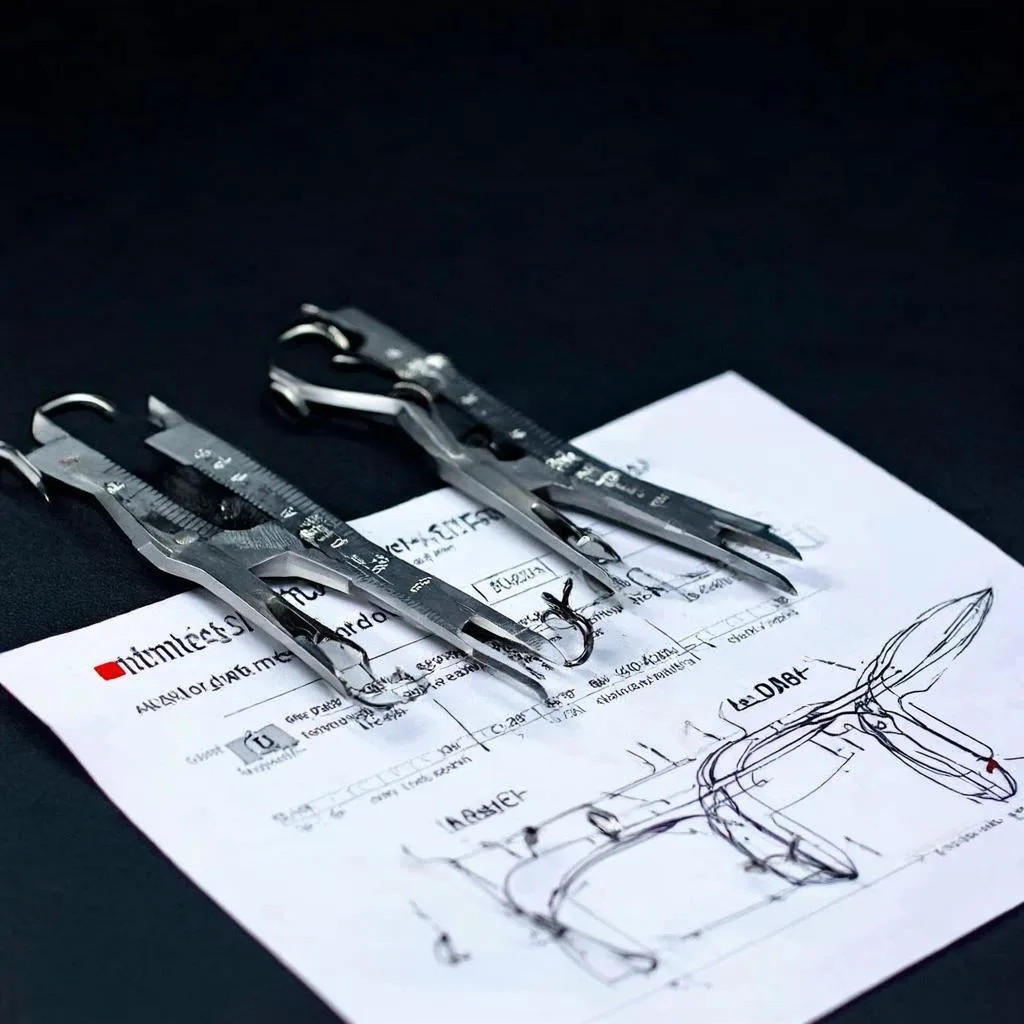
The eye is where the hook meets the line. Point geometry, hook coatings, and wire grade get the attention in most fishing-tackle conversations. The eye gets specified by habit: model number, size, a single word for the eye, and the spec sheet is done.
Three eye constructions split the European hook market: ringed, brazed, and tapered. Each changes how the line seats, how much load the eye takes before it opens, and what it costs to produce. Put the wrong one on a heavy pike rig and the gap shows up on the second fish.
This guide separates the three so you can specify the right eye for your product line.
Eye Geometry Comparison Table
| Characteristic | Ringed Eye | Brazed Eye | Tapered Eye |
|---|---|---|---|
| Eye Shape | Closed loop, fold-formed | Closed loop, welded joint | Drilled, reduced wire |
| Line Seating | Standard | Standard | Slightly sharper seat |
| Load Capacity | Good | Highest | Lowest (weakest eye) |
| Eye Open-Up Risk | Moderate if unjoined | Very low | Moderate (weakest design) |
| Weight | Standard | Standard | Lightest |
| Bait Threading | Easy | Easy | Slight drag |
| Production Cost | Low | Highest | Moderate |
| Best Use | General freshwater | Predator, heavy line | Fine-wire, delicate baits |
Ringed Eye: The Standard Closed Loop
A ringed eye is formed when the end of the wire is folded back into a ring and the tip is brought to the shank. The eye is a closed loop that the line or snap passes through. It is the most common manufacturing route because the wire runs through the same forming sequence as the rest of the hook.
The fold determines the weakness. On hooks where the free end is simply returned without a joint, an abrupt load can work the eye open. The eye remains a ring; the fold just spreads. On higher-end hooks the free end is dress-turned against the shank or spot-secured to close the eye into a single continuous loop.
Spec the joint. For value-range products a fold-formed ring is acceptable. For predator or tournament lines, ask whether the eye end is joined, and confirm it with a tensile pull on a sample.
Brazed Eye: Welded for Strength
A brazed eye closes the ring with a welded joint. The two wire ends are brought together and fused, so the eye behaves as one continuous wire rather than a fold. This is the highest-load eye construction in the range.
The weld is the main cost driver. Brazing adds a joining step after the hook is shaped, plus a cleaning pass at the joint, plus inspection for joint porosity. That is one extra process in a line already running grinding, hardening, and coating. The price premium lands on the finished hook.
Brazed eyes suit heavy-duty work: pike, zander, catfish, and saltwater patterns where the hook is loaded against a hard pull and the eye has to hold a knot without creeping. For a predator range carrying big trebles or a circle pattern rated for heavy line, braze the eye.
Tapered Eye: Light and Fine
A tapered eye reduces the wire at the eye before it forms the loop. The shank tapers toward the eye, removing material and weight. On fine-wire patterns the taper keeps the hook light without weakening the bend that carries the fish.
The geometry is narrow. A thinner eye seats the knot closer to the metal, which helps on light presentations but adds a small point of wear where the line wraps the taper. On heavy fish a tapered eye on thin wire becomes the weak link. The eye is the smallest cross-section in the chain.
Spec tapered eyes for delicate baits and light line: whitefish, perch, roach, and fine-wire carp patterns for soft baits. Keep a brazed or joined ringed eye for anything that gets yelled at across a hard distance.
How Eye Construction Affects Line Seating and Fatigue
Eye shape changes how the line sits and how it wears. A round eye seats the knot evenly. A tapered eye seats it tighter, which improves presentation but concentrates wear on the knot.
Load path matters more than eye style. On a ringed eye, load runs through the fold. On a brazed eye, load runs through the weld. On a tapered eye, load runs through the reduced wire. For a distribution buyer, this is the spec line to write down: the eye should match the heaviest line the hook will see, and the joined eye should hold a pull above that line rating.
European OEM buyers carry the same pattern in two eye variants more often than they carry two patterns. A general coarse range with a joined ringed eye, and a predator range with a brazed eye, covers the shelf without doubling inventory.
Specifying Eye Geometry in OEM Orders
Put the eye in the spec sheet. Do not leave it to the default. These four lines belong on every hook order:
- Eye type: ringed, brazed, or tapered
- Eye joint: whether the fold end is joined, and by what method
- Eye internal width: minimum and maximum in millimetres
- Eye pull test: confirm the eye holds a load above the rated line break on a sample
FishingLineStrength validates eye integrity on every OEM batch. We pull a sample of 50 hooks per production lot and test the eye against a set pull load, recording the load where the eye begins to deform. The certificate lists minimum, maximum, and average values next to your spec figure, so the eye is checked, not assumed.
FAQ
What is the difference between a ringed eye and a brazed eye?
A ringed eye is a closed loop formed by folding the wire end back to the shank. The eye remains correct as a ring whether or not the free end is joined. A brazed eye closes the loop with a welded joint, so it behaves as one continuous wire and carries more load before it opens.
Which eye construction is strongest for heavy fish?
Brazed. The welded joint turns the eye into a single section of wire, so the eye holds the full line load without the fold spreading. It is the right choice for pike, zander, catfish, and heavy saltwater patterns.
Do tapered eyes sacrifice strength?
A tapered eye reduces the wire at the eye, so on a fine-wire hook it is the smallest cross-section in the load chain. On light line and delicate baits that is acceptable. On heavy fish the tapered eye becomes the weak link, so pair it with light applications only.
How does the eye type change hook price?
Brazing adds a joining step, a cleaning pass, and joint inspection, so it carries the highest premium. A fold-formed ringed eye runs through the standard forming sequence and costs least. Tapered eyes sit in the middle because precision forming adds time without a weld.
Should I specify the eye type in an OEM order?
Yes. Write eye type, eye joint, internal width range, and a pull test in the spec sheet. Leaving the eye to the factory default is the fastest way to get the wrong eye on the right hook.
About the Author
FishingLineStrength supply team, 15+ years in fishing hook manufacturing.
Contact us to discuss point geometry options for your product line →
Sources / Further Reading
- •Mustad OEM Product Catalog 2020: hook point geometry types and terminology.
- •FishingLineStrength product pages: Diamond Series (Cutting Point), Treble Hooks (all three point types).
- •ASTM E384: Standard Test Method for Microindentation Hardness of Materials (point hardness reference).